The backwaters don't announce themselves. One moment you are on a road lined with shops and scooters; the next, the road simply ends at the water, and the whole of Kerala seems to slow to the speed of a boat.
Behind the coast, a web of lakes, rivers and canals stretches for hundreds of kilometres. Villages sit on narrow strips of land between paddy fields and water, and for many families here the canal is still the street — for school, for market, for visiting a neighbour.
Where the water sets the pace
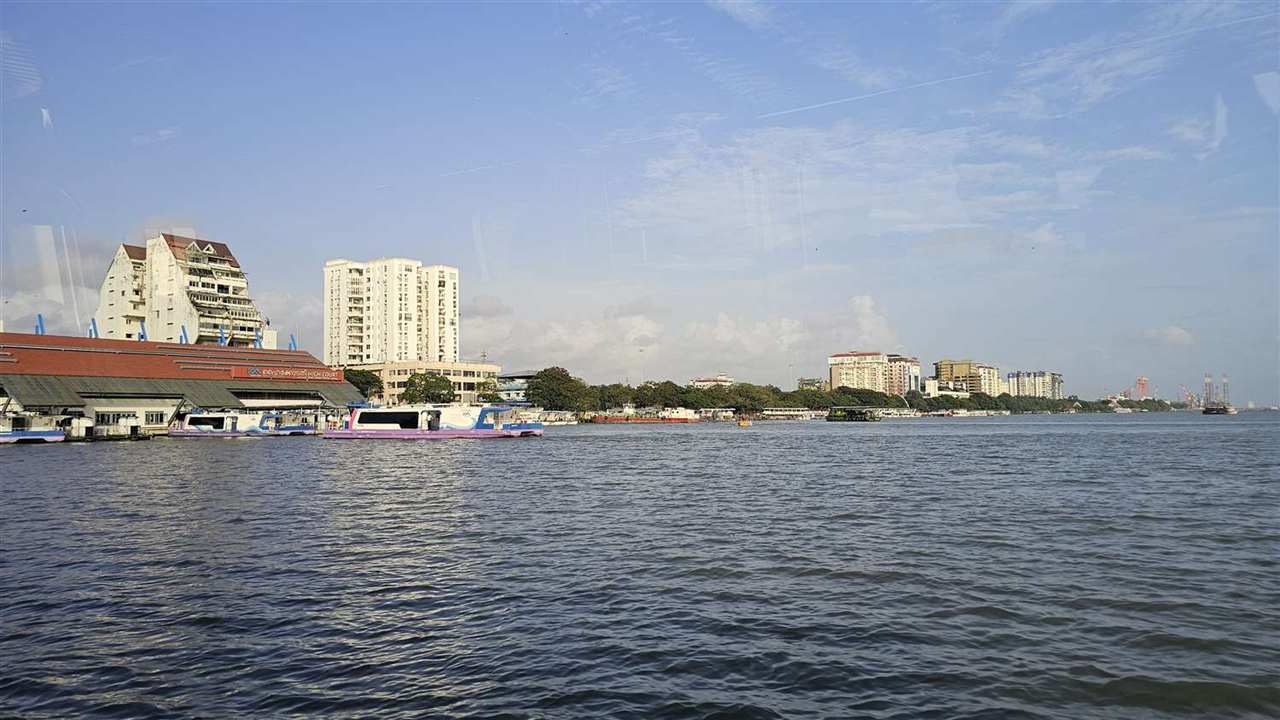
Most journeys begin around Alappuzha or Kumarakom, on the edges of Vembanad Lake. The kettuvallam — once a rice barge, now a floating home with a thatched roof — moves at little more than walking pace. That is the point. You watch cormorants dry their wings, women wash brass pots on stone steps, and ferries crossing with bicycles stacked on deck.
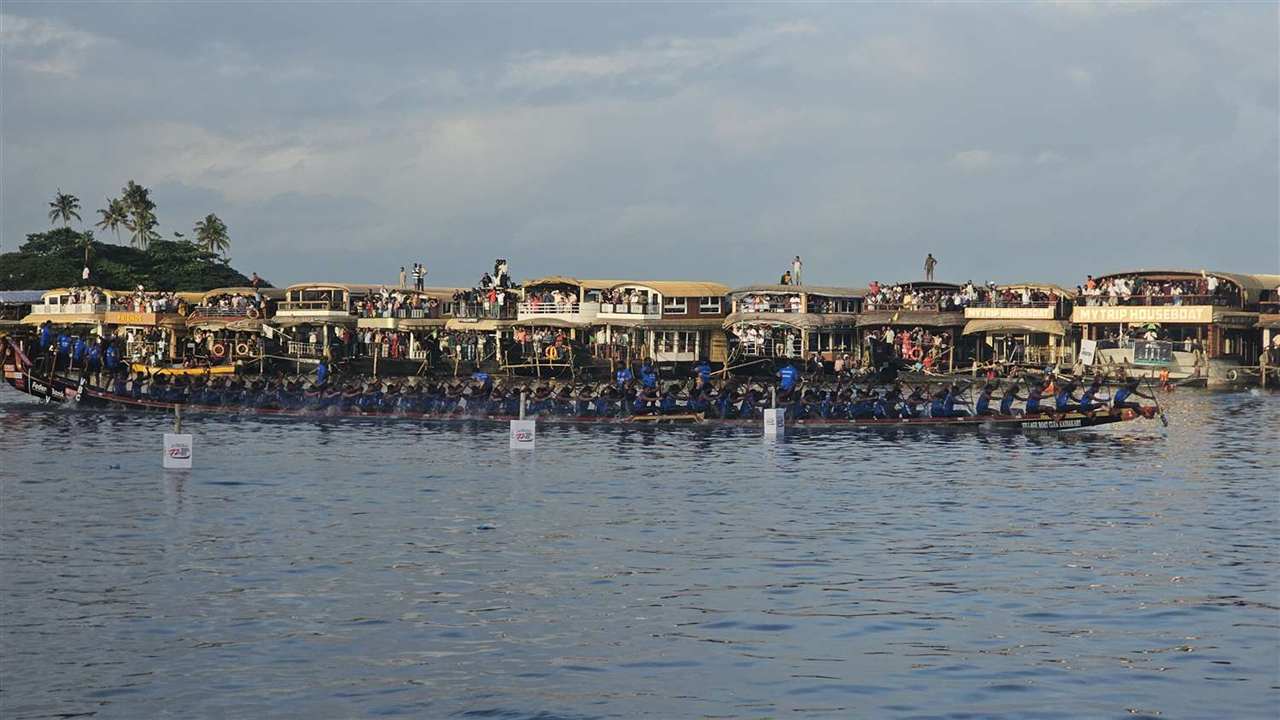
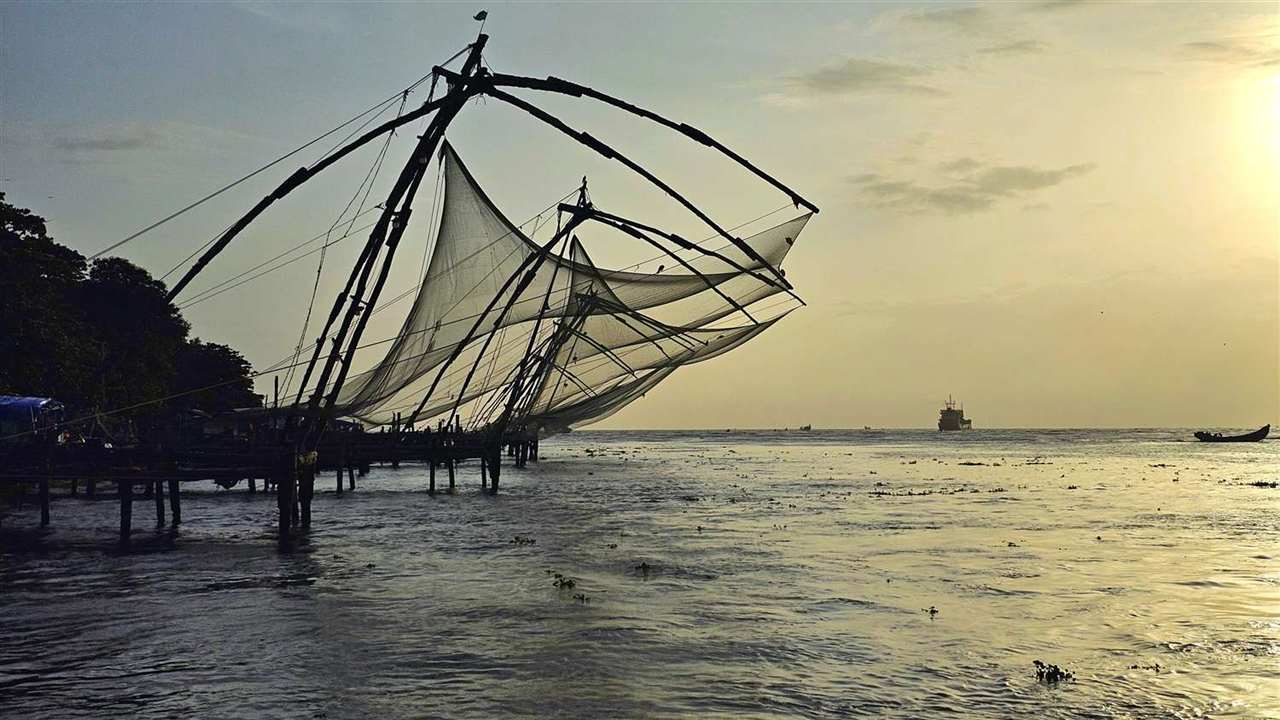
Lunch is cooked on board: rice, a fish curry sharp with kodampuli, a thoran of whatever the market had that morning. By late afternoon the boat moors beside a paddy field, and the only sounds are frogs, a temple loudspeaker somewhere across the water, and the occasional splash of a fisherman's net.
A day on the water
The best hour is early morning. Swap the houseboat for a small canoe and slip into canals too narrow for anything larger. Here you see what the main channels hide: toddy tappers climbing coconut palms, coir being twisted by hand, children waving from doorways that open straight onto the water.
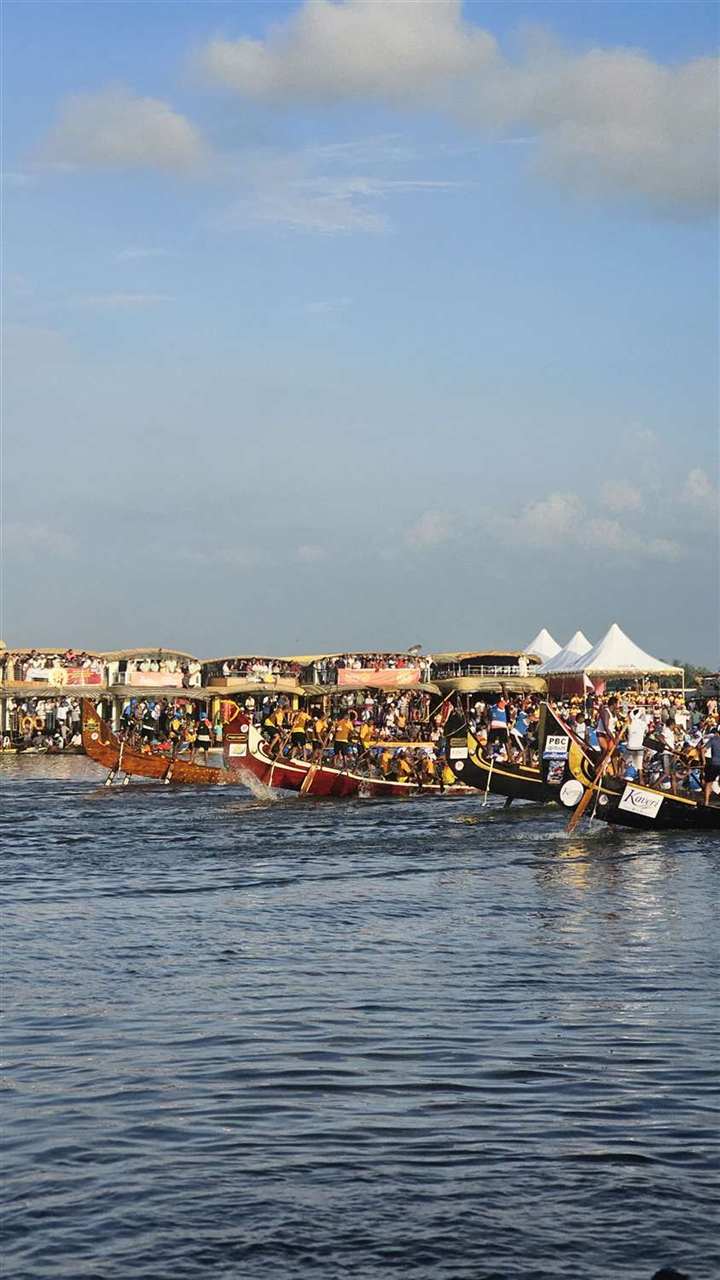
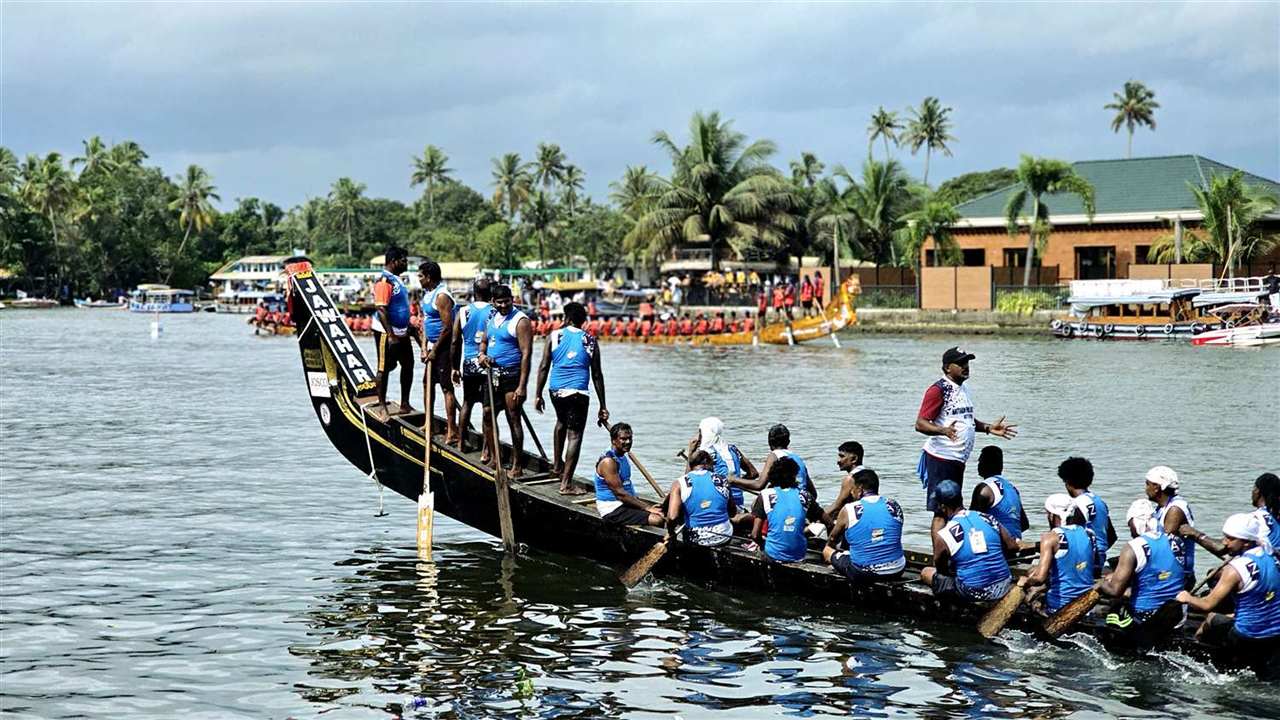
If you travel in August, time it with the snake boat races. Long, low chundan vallams carrying a hundred rowers cut across the lake to the rhythm of boat songs, with crowds packed onto every houseboat roof along the course.
Plan it
Our favourite backwater days are the ones with no fixed plan at all. We'll handle the boat, the route and the timing, so all that's left is to watch Kerala drift by.